
In the cultural landscape of 2026, where media consumption is often reduced to fifteen-second clips and fleeting viral trends, the “Movie Buff” stands as a guardian of narrative depth and artistic intent. To the casual observer, a movie buff might simply seem like someone who watches a lot of films. However, true cinephilia—the intense love of cinema—is a sophisticated discipline. Great movie buffs are the architects of film culture; they are the historians, the critics. And the passionate advocates who ensure that the magic of the silver screen continues to resonate across generations.
Being a movie buff is not merely a hobby; it is a way of seeing the world. It involves an appreciation for the technical synergy of cinematography, sound design, acting, and direction. Whether they are dissecting a silent masterpiece from the 1920s or analyzing the latest breakthrough in augmented reality cinema, great movie buffs share a common trait: an insatiable curiosity about the human condition as told through light and shadow.
1. The Anatomy of a Cinephile: Beyond the Screen
What separates a great movie buff from a casual viewer is the depth of their engagement. For the casual viewer, a film is a product consume for entertainment. For the movie buff, a film is a conversation.
The Historical Perspective
A true movie buff understands that no film exists in a vacuum. They possess a mental map of cinema history, recognizing how a contemporary sci-fi epic might owe a debt to German Expressionism or how a modern rom-com mirrors the screwball comedies of the 1930s. This historical context allows them to appreciate the “language” of film—the subtle nods, homages, and subversions that directors use to communicate with their audience.
Technical Literacy
Great movie buffs often possess a surprising amount of technical knowledge. They can discuss the merits of a “long take” versus “rapid-fire editing” and understand how the choice of a specific lens can alter the emotional weight of a scene. By understanding the “how” of filmmaking, they gain a deeper appreciation for the “what”—the story itself.
2. The Ritual of Discovery and Curation
In 2026, the challenge for film lovers is no longer access, but curation. With thousands of titles available on streaming platforms, the great movie buff acts as a human algorithm, seeking out the obscure, the challenging, and the profound.
The Hunt for the Obscure
A movie buff thrives on discovery. They frequent independent cinemas, international film festivals, and niche digital archives to find the “hidden gems” that mainstream audiences might overlook. This quest for the unknown is what keeps the industry vibrant; by supporting independent and international filmmakers, movie buffs ensure that diverse voices continue to be heard in a crowded marketplace.
Curating the Personal Library
Whether it is a physical collection of boutique Blu-rays (such as Criterion or Arrow Video) or a meticulously organized digital watchlist, the movie buff is a curator. They organize their films not just by genre, but by director, cinematographer, or thematic movements like the French New Wave or Italian Neorealism. This organization reflects a desire to categorize and understand the vastness of human creativity.
3. The Social Impact: Building Cinematic Communities
Great movie buffs are rarely solitary creatures. They are the catalysts for community, sparking discussions that extend far beyond the theater lobby.
The Art of the Film Discussion
For a movie buff, the “after-talk” is as essential as the movie itself. They enjoy the intellectual exercise of debating a film’s meaning, its political subtext, or its moral ambiguity. These discussions often take place in dedicated film clubs, online forums, or specialized social media platforms like Letterboxd, where the buff’s review can influence the viewing habits of thousands.
Mentorship and Education
Many movie buffs take on the role of an informal educator. They are the friends you go to when you want to expand your horizons. They don’t just recommend a movie; they provide the context needed to enjoy it. By introducing a younger generation to the works of Kurosawa, Hitchcock, or Varda, they bridge the gap between the past and the present, ensuring that the “greats” are never forgotten.
4. The Future of Cinephilia in 2026
As technology evolves, so does the movie buff. We are seeing the rise of “Immersive Cinephilia,” where buffs engage with virtual reality (VR) and spatial audio to experience films from the inside out. However, even with these technological leaps, the core of the passion remains unchanged.
Resistance to “Content” Culture
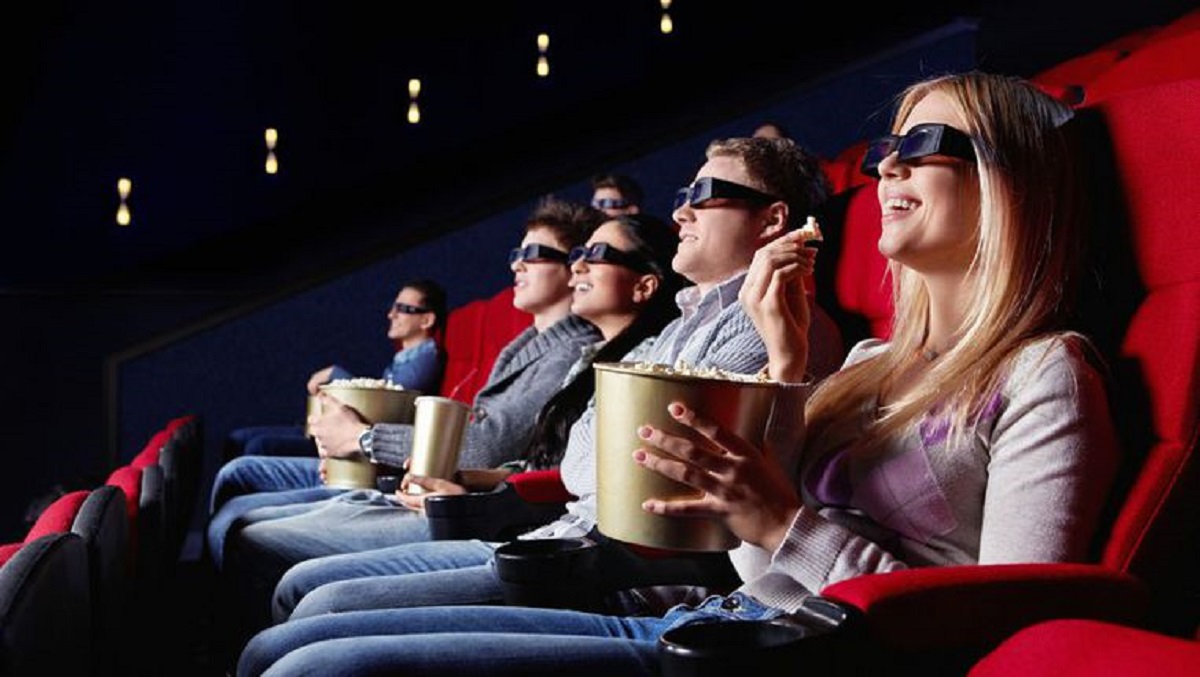
In an era where films are often treated as “content” to be played in the background while scrolling on a phone, movie buffs advocate for the “theatrical experience.” They champion the importance of the darkened room, the large screen, and the communal silence. They remind us that some stories require our full, undivided attention to be truly understood.
Conclusion
Great movie buffs are more than just fans; they are the lifeblood of the cinematic arts. Through their dedication to history, their technical curiosity, and their commitment to community, they protect the integrity of filmmaking as a high art form. They remind us that cinema is a mirror held up to society, capable of evoking empathy, sparking revolution, and providing a sense of shared humanity.
To be a movie buff is to be a perpetual student of the world. It is a journey that never truly ends, as there is always one more frame to analyze and one more story to discover. As long as there are people willing to look closer and think deeper about the images on the screen, the soul of cinema will remain safe.
