
Going to the movies is a universally beloved pastime. The dimming of the house lights, the massive scale of the projection screen, and the immersive power of surround sound create a shared cultural ritual enjoyed by millions of people across the globe. Whether you are watching a Hollywood blockbuster, an independent art-house film, or a local production, the basic concept remains the same: you buy a ticket, take your seat, and get lost in a story for two hours.
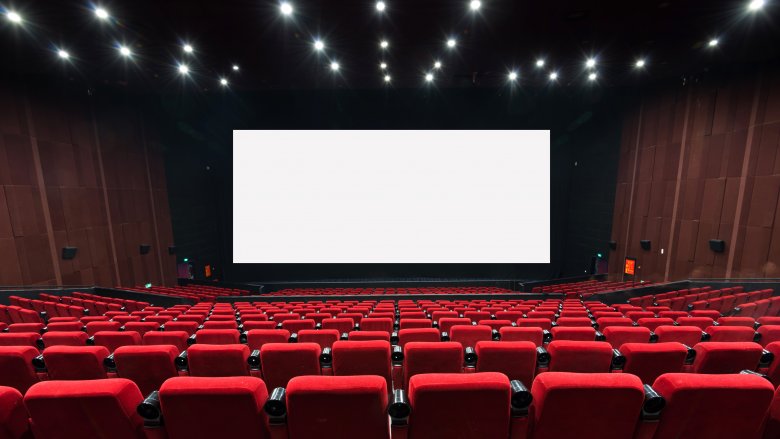
However, the actual environment surrounding that silver screen varies dramatically depending on where you are in the world. For international travelers and film enthusiasts, stepping into a movie theater in Tokyo or Jakarta can feel like a completely different universe compared to watching a film in Paris or Berlin. From technological philosophies and architectural designs to culinary choices and audience etiquette, the cinematic cultures of Asia and Europe occupy two distinct spectrums of the entertainment world. This article explores the defining differences that shape the movie-going experience in these two vibrant continents.
Architectural Philosophy: Mega-Malls vs. Historical Landmarks
The physical location and architectural design of a theater play a massive role in setting the tone for the entire cinematic evening, highlighting a stark contrast between modern urban integration and historical preservation.
Asia: The Kingdom of the Modern Multiplex
In major Asian metropolitan areas, cinema construction is deeply intertwined with the rise of massive, multi-story shopping malls. Because space is at a premium in densely populated cities like Bangkok, Seoul, Kuala Lumpur, and Jakarta, entertainment zones are built vertically.
Movie theaters in Asia are typically mega-multiplexes situated on the top floors of these luxurious shopping complexes. They feature futuristic, brightly lit lobbies with polished marble floors, digital ticketing kiosks, and massive LED screens broadcasting upcoming trailers. The design emphasis is on modern luxury, high-tech convenience, and creating an all-in-one entertainment hub where a consumer can shop, dine, and watch a movie without ever stepping outside the air-conditioned mall.
Europe: The Heritage of Independent Picture Houses
While Europe certainly has its share of modern multiplexes on the city outskirts, its urban cores are defined by historic, independent picture houses. In cities like Paris, London, and Vienna, movie-going is often treated as an architectural and cultural pilgrimage.
Many European cinemas operate within preserved heritage buildings featuring classic Art Deco facades, ornate velvet curtains, and vintage neon signage. Instead of twelve different screens showing the same blockbusters, these historic venues frequently feature single or dual screens dedicated to preserving the golden era of cinema architecture. The atmosphere is intimate, artistic, and deeply nostalgic, prioritizing a old-world charm over commercial grandeur.
The Concession Stand: Culinary Artistry vs. Traditional Simplicity
Perhaps nowhere is the cultural divide more evident—and delicious—than at the concession stand. What audiences choose to snack on during a film reveals a great deal about local culinary priorities.
- The Asian Culinary Playground: In Asia, snacks are treated as an adventurous extension of street food and gourmet dining culture. While standard salted popcorn exists, the flavor options are incredibly creative, ranging from sweet caramel and rich cheese to local favorites like seaweed, matcha, tom yum, and spicy squid. Beyond popcorn, Asian theaters serve substantial hot finger foods, including takoyaki, toasted hot dogs, French fries with various seasoning powders, and steamed dumplings. For beverages, audiences can choose from iced bubble teas, fresh fruit juices, and premium coffees.
- The European Classical Palette: European concession stands lean heavily toward traditional simplicity, focusing on high-quality ingredients rather than experimental flavors. Popcorn is universally divided into two strict camps: salted or sweet (sugar-coated, which is particularly popular in Germany and the UK). Instead of heavy hot meals, Europeans favor gourmet candy selections, high-quality chocolates, and licorice. Furthermore, a major defining feature of the European cinema experience is the widespread availability of alcoholic beverages; it is entirely standard to enjoy a glass of fine wine, a local craft beer, or a gin and tonic in your theater seat.
Technology and Seating: Ultra-Luxury Innovation vs. Democratic Comfort
The way audiences physically experience the film highlights differing attitudes toward technological luxury and economic stratification.
Asian cinema chains are global pioneers in the field of ultra-luxury, premium theater experiences. The continent has embraced experiential formats like 4DX (featuring moving seats, wind, and scent effects), IMAX, and Dolby Atmos with absolute enthusiasm. More notably, Asian markets have perfected the concept of the “VIP Lounge.” For a premium ticket price, moviegoers can access exclusive lounges, sink into fully reclining leather beds equipped with pillows and blankets, and utilize a personal service button to summon a waiter who delivers food directly to their seat during the film.
European cinemas generally favor a more egalitarian, democratic seating model. While seats are comfortable, ergonomic, and well-designed, the extreme “bed-in-a-theater” concept is far less common. Instead, European innovation focuses heavily on projection and presentation quality. European audiences place a massive emphasis on screening films in their original language with subtitles (OmU or VOST), rather than relying on dubbed audio files, showing a deep respect for the original artistic intent of the international filmmakers.
Audience Etiquette: Absolute Silence vs. Communal Engagement
The unwritten social rules governing behavior inside the dark auditorium show a fascinating psychological contrast between the two regions.
In many Asian cultures, particularly in Japan, Singapore, and South Korea, the theater is treated as a sanctuary of absolute silence and mutual respect. Talking, whispering, or rustling food wrappers loudly during the film is considered a massive social faux pas. In fact, in Japanese theaters, it is customary for the audience to sit in complete silence through the entire end credits until the lights completely turn back on, out of respect for the cast and crew.
In contrast, European audiences—depending on the country and the genre of the film—frequently view cinema as a highly interactive, communal event. While random chatter is still discouraged, it is entirely normal for European crowds to laugh loudly, gasp collectively, or even applaud at the end of a powerful screening. Cinema in Europe is viewed as an extension of the theater arts, where emotional expression and shared reaction are a core part of the entertainment experience.
Conclusion
Ultimately, neither the Asian nor the European cinematic model is inherently superior; rather, they represent two beautiful, distinct interpretations of the same cultural love story. Asia has transformed movie-going into a futuristic, luxurious, and highly efficient escape, seamlessly blending cutting-edge technology with retail convenience and culinary creativity. Europe, meanwhile, treats cinema as an artistic ritual, preserving historical architecture, celebrating original languages, and protecting the communal, independent spirit of film artistry.
Understanding these differences adds a rich layer of appreciation for global travelers. The next time you find yourself abroad, skip the standard tourist sights for one evening, buy a ticket at a local theater, and experience firsthand how different cultures bring the magic of the movies to life.
