
In the ever-evolving world of visual art, photography stands out as one of the most powerful tools for storytelling. From capturing fleeting emotions to immortalizing creative expression, photography bridges the gap between the visual and the emotional. Two genres that beautifully highlight this connection are fine art photography and music artist photography. Though each carries its own unique style and purpose, both share the same goal—to capture creativity in its purest form.
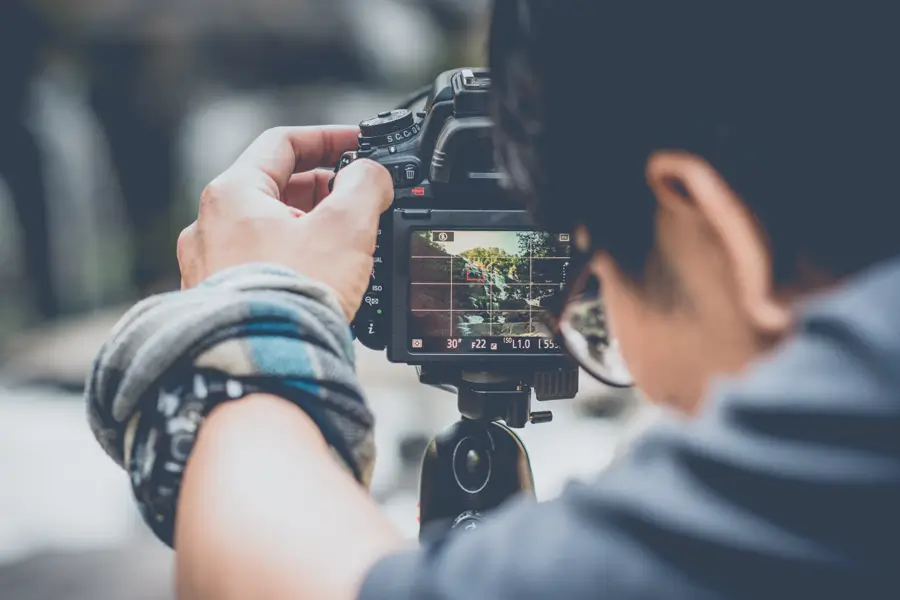
Whether displayed in a fine art photography gallery or used to shape an artist’s visual identity, these forms of photography go beyond documentation. They are about vision, interpretation, and the ability to tell stories through light, composition, and emotion.
Understanding Fine Art Photography
Fine art photography is much more than a well-taken picture—it’s photography as an art form. Unlike commercial or documentary photography, which focuses on selling a product or telling an objective story, fine art photography expresses the photographer’s personal vision. Each piece is carefully conceptualized, composed, and edited to evoke emotion or provoke thought.
In a fine art photography gallery, viewers are invited to interpret the image for themselves. Every detail, from lighting to color palette, is intentional. The photographer’s purpose might be to challenge perceptions, capture human vulnerability, or explore beauty in abstraction.
Fine art photographers often spend months or even years developing a single body of work. Their images may explore themes such as isolation, freedom, identity, or the relationship between humans and nature. What sets fine art apart is not just the technical skill behind the lens, but the depth of concept and storytelling.
A visit to a fine art photography gallery is an experience in itself. The atmosphere is often quiet and contemplative, allowing each piece to speak directly to the viewer. Some images invite introspection, while others command attention with bold compositions and vibrant contrasts. This balance of artistry and intention is what makes fine art photography one of the most respected forms of visual expression.
The Power and Purpose of Music Artist Photography
While fine art photography lives in the world of artistic interpretation, music artist photography operates in a dynamic space between art and identity. Every musician needs visuals that represent their sound, style, and personality. The right photo can define a brand, attract new listeners, and create a lasting impression in an industry where first impressions matter.
Music artist photography isn’t just about portraits—it’s about storytelling. The photographer’s role is to visually translate the energy and emotion of the artist’s music. A rock musician might be captured with dramatic lighting and intense poses, while a soulful singer might be portrayed with softer tones and expressive emotion. The goal is always the same: to make viewers hear the music through the image.
From promotional photos to album covers and social media campaigns, music artist photography plays an essential role in shaping how audiences connect with the performer. The best photographers in this genre understand that a great image is more than just flattering—it’s iconic. Think of the unforgettable album covers and portraits that have defined generations; those visuals become just as recognizable as the music itself.
Where Fine Art and Music Photography Meet
Although they may seem distinct, fine art photography and music artist photography often overlap in their creative approach. Both styles require imagination, conceptual thinking, and emotional depth. When a photographer approaches a musician’s shoot with an artistic mindset, the results can transcend typical promotional imagery.
In recent years, more artists have sought photographers who can bring a fine art photography sensibility to their branding. This blend results in powerful, evocative imagery that doesn’t just promote music—it elevates it. The use of shadow, contrast, and unconventional composition can turn a simple artist portrait into a work of art worthy of display in a fine art photography gallery.
Some of the most memorable music portraits are those that blur the line between these two genres. They are not only representations of musicians but also standalone artistic statements. When done right, this combination captures both the personality of the artist and the creativity of the photographer, producing visuals that are timeless and impactful.
Creating Emotion Through the Lens
What truly connects fine art photography and music artist photography is emotion. Both require the ability to capture a feeling that resonates beyond the image itself. A photograph of a singer in the middle of a performance can communicate the same raw emotion as a conceptual portrait displayed in a gallery.
Lighting, composition, and setting play huge roles in creating this emotional impact. Fine art photographers often use minimalism or surrealism to convey meaning, while music photographers may rely on atmosphere and expression to portray the artist’s soul. Yet, in both cases, the ultimate goal is to connect with the viewer on a deep emotional level.
Why These Photography Styles Matter Today
In today’s digital age, visuals are more important than ever. Whether you’re an art collector, a music fan, or a creative professional, the ability to capture authentic expression through photography remains vital. A fine art photography gallery allows viewers to experience emotion through stillness and reflection. At the same time, music artist photography offers a visual soundtrack that complements the rhythm and tone of a musician’s work.
Both serve as reminders that photography is not merely about capturing reality—it’s about interpreting it. Each photograph tells a story that words cannot fully express, preserving moments that continue to inspire and move us long after the shutter clicks.
The worlds of fine art photography and music artist photography are beautifully intertwined, each celebrating creativity in its purest form. Both challenge photographers to go beyond technique and embrace emotion, imagination, and storytelling. Whether showcased in a fine art photography gallery or featured on an album cover, these images have the power to captivate, inspire, and endure.
In a culture driven by visuals, these two photography forms remind us that art isn’t just something we see—it’s something we feel.
