
A truly great movie love song is more than just background music; it is the emotional anchor of a film, capable of encapsulating an entire romantic narrative within a few lyrical verses and a sweeping melody. These tracks are the moments when a film’s dialogue ceases, and the raw, universal power of music takes over, defining an on-screen relationship so profoundly that the song and the scene become inseparable in cultural memory. From the quiet vulnerability of a ballad to the soaring declaration of a power anthem, great movie love songs transcend their original context, becoming permanent fixtures on wedding playlists, karaoke stages, and the soundtrack to our own personal lives.
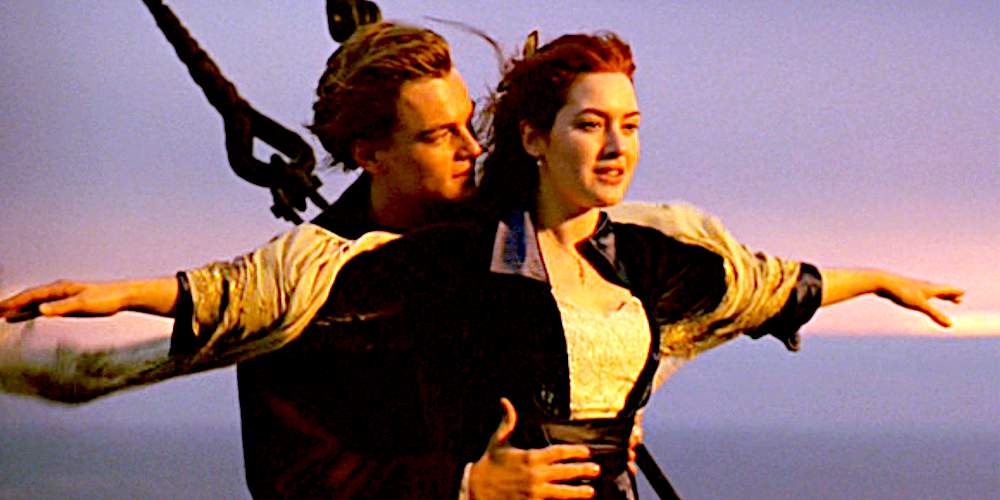
Exploring the success of these songs reveals a masterful synergy between visual storytelling and musical composition. The benefit extends beyond mere promotion; these tracks deepen the audience’s emotional investment, summarize the complexity of a relationship, and generate cultural currency that keeps the film relevant for decades after its release.
I. The Emotional Contract: Why Music Completes the Scene
The greatest movie love songs possess an unparalleled ability to summarize and elevate the emotional stakes of a moment. They act as a form of non-verbal dialogue.
1. Defining the Relationship Arc
A powerful love song can compress the entire journey of a relationship—the awkward meeting, the struggles, and the final reunion—into three minutes. The music does the heavy lifting, giving the audience permission to feel a deep, immediate connection to the characters’ fate.
- Example: Think of the swelling orchestration of a classic theme. It’s often used in a scene where the characters finally overcome their obstacles, making the musical climax mirror the emotional release the audience has been waiting for.
2. The Power of Absence
The most effective movie love songs are often used during montage sequences or moments where characters cannot speak (due to distance, conflict, or time). The music fills the silence, expressing the profound feelings—the longing, the devotion, the heartache—that words fail to capture. The song becomes the character’s internal monologue, amplified for the entire audience.
II. The Hall of Fame: Defining Characteristics of a Classic
Not every song featured in a film achieves iconic status. The truly great movie love songs share specific characteristics that grant them longevity and global appeal.
1. Narrative Resonance and Specificity
The song must feel tailor-made for the movie’s themes. A truly successful love theme doesn’t sound generic; it captures the unique emotional atmosphere of the film’s world, whether it’s the gritty urban romance of a drama or the timeless fantasy of an animated classic. It must reflect the specific kind of love the characters share.
2. Universal Appeal and Relatability
Despite its specific cinematic origin, the song must connect to a universal human experience. Its lyrics and melody must be flexible enough for listeners to project their own relationships, memories, and aspirations onto the track. This is the quality that moves the song from a movie soundtrack to a personal, cherished anthem.
3. Vocal Performance and Production
Many iconic love songs are anchored by a powerful, recognizable vocal performance. The vocalist acts as a secondary storyteller, conveying the weight of the film’s emotion. Furthermore, the production quality is often cinematic itself, featuring rich arrangements and expansive instrumentation that suit the grand scale of the silver screen.
III. The Economic and Cultural Legacy
The benefits of a hit movie love song extend far beyond artistic merit; they are a powerful, self-sustaining economic and cultural force.
1. The Perpetual Marketing Tool
A hit song acts as a perpetual marketing tool for the film. Long after the movie has left the theaters, the song lives on through radio play, streaming services, and covers. Every time the song is played, it serves as an auditory reminder, encouraging new generations to seek out the film that inspired it.
2. Oscar and Award Recognition
The Best Original Song category at awards shows like the Oscars elevates both the film and the music. A nomination or a win generates massive media buzz, cementing the film’s legacy in pop culture history and often leading to increased revenue streams through album sales, sheet music rights, and concert tours.
3. Cementing Cultural History
Certain movie love songs become deeply embedded in the cultural lexicon, used in other media, referenced in comedy, and inextricably linked to historical eras. They become shorthand for the time and place they were released, acting as musical time capsules.
Conclusion: The Unforgettable Melody
Great movie love songs are the ultimate expression of cinematic alchemy—turning simple chords and lyrics into moments of shared, profound feeling. They summarize complexity, provide emotional release, and cement films into our collective memory. By achieving a perfect blend of narrative specificity and universal emotional resonance, these tracks fulfill their role as the soundtrack to fictional romance while simultaneously scoring the romantic moments of our real lives. The magic of the movie theater may fade, but the melody, once heard, is never truly forgotten.
Would you like a list of three classic movie love songs from different decades, along with the specific scenes they defined?
