
For many Americans, the cinema remains a cherished destination—a place to escape, share a bucket of popcorn, and immerse oneself in a spectacle that only the big screen can provide. While the act of going to the movies is simple, the system of America Movie Showtimes is a complex, data-driven strategy that dictates not just when you can see a film, but which films studios prioritize, how much they expect to earn, and how the entire theatrical window is managed. Understanding the logic behind showtime scheduling is key to maximizing your viewing experience and appreciating the economics of the silver screen.
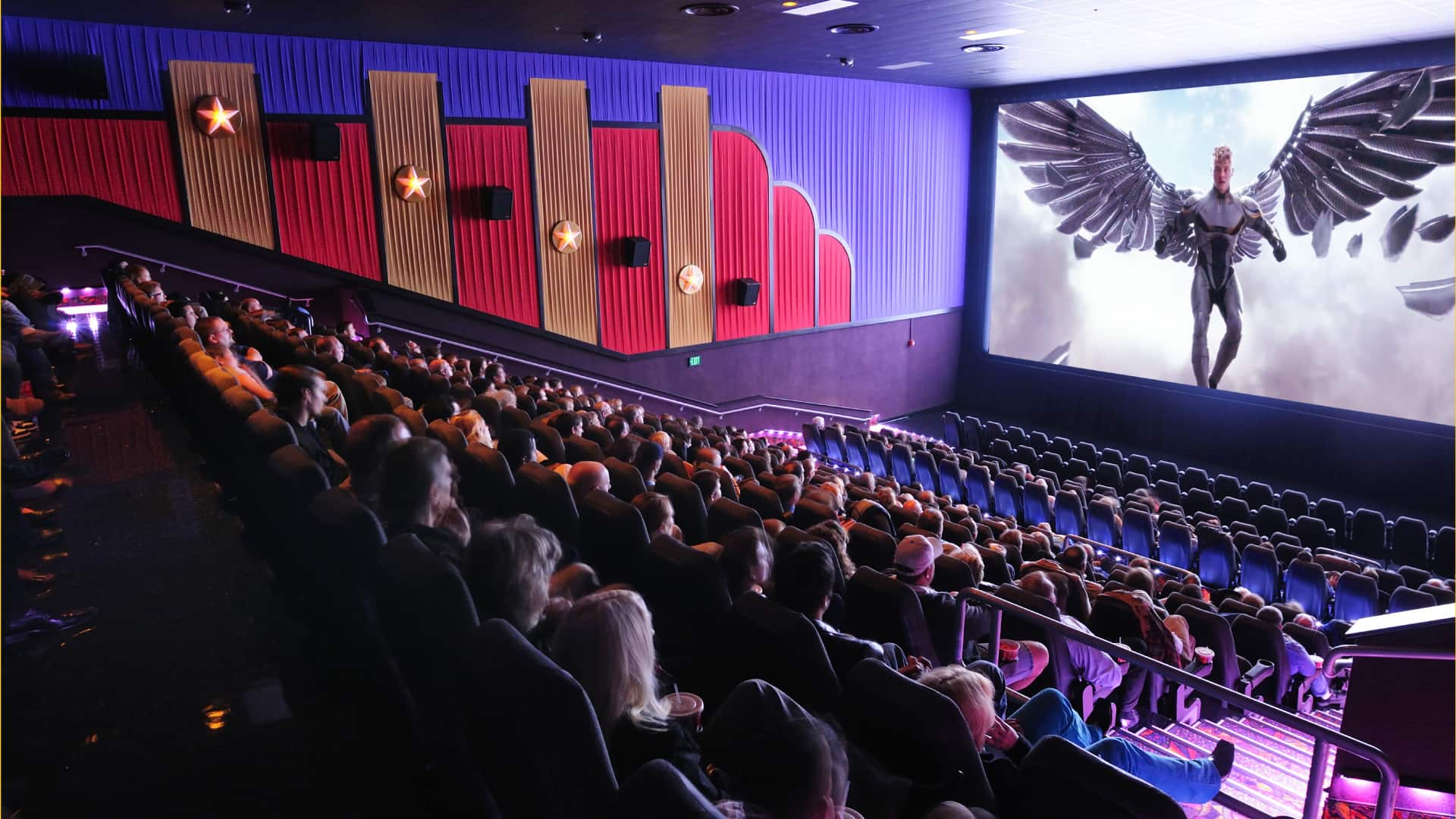
Showtimes are far from arbitrary; they are meticulously planned to align with consumer behavior, school schedules, holidays, and the often-brutal competition for audience attention. Whether you are seeking a quiet matinee or a bustling Friday night premiere, knowing the unwritten rules of the American showtime structure will help you secure the perfect viewing time.
I. The Anatomy of a Release Schedule: Primetime and Weekdays
Showtimes are fundamentally structured around the two most critical factors: audience availability and the film’s market performance.
1. The Weekend Domination (Friday-Sunday)
The weekend is the lifeblood of the American box office, often accounting for 60-70% of a film’s total weekly gross.
- Friday Night (The Premiere): Showtimes typically start in the late afternoon (4:00 PM onwards) and run late into the night. Opening Friday is the most crucial day, often featuring midnight or 7:00 PM “preview” screenings designed to build buzz and capture early revenue.
- Saturday (Peak Attendance): Showtimes begin mid-morning and run continuously. This day sees the highest attendance from families and casual viewers.
- Sunday (Matinee Focus): Early and mid-afternoon showtimes are popular as families attend before preparing for the week. Evening showtimes tend to drop off earlier than on Friday or Saturday.
2. The Mid-Week Strategy (Monday-Thursday)
Mid-week schedules cater to specific demographics and serve to manage the film’s run rate.
- Matinees (The Low-Cost Window): Showtimes before 4:00 PM on weekdays often feature significantly discounted pricing. These cater to seniors, students, and viewers with flexible daytime schedules. This is the ideal time for the committed cinephile who prioritizes silence and minimal crowds.
- Targeted Evening Slots: Evenings remain popular but are dominated by the most successful current releases. By Wednesday, a film’s schedule may be reduced if it underperformed over the weekend, making way for higher-performing titles.
II. Strategic Scheduling: The Studio’s Playbook
Theater chains do not set showtimes independently; they work in tandem with film distributors to maximize revenue for both parties. This leads to strategic scheduling tactics.
1. The Power of “The Holdover”
A film that performs exceptionally well will be given “holdover” status, meaning it retains its prime showtimes and is featured in the largest auditoriums for multiple weeks. Conversely, a poor opening performance can lead to a drastic reduction in showtimes and a move to a smaller theater size by the following Tuesday.
2. Event Cinema and Non-Standard Slots
American schedules are increasingly populated by “Event Cinema,” which requires non-standard showtimes.
- Alternative Content: Opera, ballets, concerts, and classic film re-releases often feature unique schedules, such as a single 7:30 PM show on a Monday or a 2:00 PM Sunday screening. These specialized slots cater to niche audiences without interfering with the major blockbusters.
- IMAX and Premium Formats: Premium formats (IMAX, Dolby Cinema, etc.) often receive the most prime evening slots due to their higher ticket prices, even if the film has been playing for several weeks.
3. Seasonal and Holiday Adjustments
Showtimes swell and shift dramatically during major holidays and school breaks.
- Summer and Christmas: Schedules expand, with theaters offering more daytime screenings to accommodate students and families. This is when the largest blockbusters are often released, dominating the prime 7:00 PM to 9:30 PM slots.
III. Tips for Navigating Showtimes Like a Pro
To ensure a comfortable and interruption-free viewing experience, strategic selection is vital.
1. Prioritize Matinees for Focus
If you want to fully immerse yourself in a drama, foreign film, or a complex narrative without talking, laughter, or phone light disruption, the 11:00 AM to 3:00 PM weekday window is usually the most serene. The low ticket price is an added bonus.
2. Book Early for Premieres
For major releases, especially on opening Friday and Saturday nights, popular showtimes (7:00 PM to 8:30 PM) sell out quickly. Booking tickets online days in advance is essential to secure the best seats and guarantee entry.
3. Utilize Digital Tools
Rely on specialized apps and websites (like Fandango or Atom Tickets) that aggregate local theater showtimes. They provide the most accurate, up-to-the-minute schedule, often reflecting changes made only hours before the screening.
Conclusion: More Than Just a Clock
America Movie Showtimes are a meticulously managed system reflecting audience demand, studio investment, and the strategic lifespan of a film. By understanding the dominance of the weekend, the purpose of the mid-week matinee, and the competitive struggle for prime evening slots, viewers can strategically plan their visits. Mastering the schedule is the final piece of preparation needed to ensure that every trip to the cinema maximizes comfort, minimizes hassle, and delivers the full, immersive magic of the big screen experience.
