
For the true film enthusiast, there is a distinct joy in cinema history—a magic found in the crackle of black and white, the dramatic sweep of a score from the Golden Age, or the unique visual language of films from decades past. While physical film archives and repertory theaters hold immense value, the digital revolution has thrown open the doors, creating a vast and exciting landscape of Virtual Vintage Movies. This virtual archive allows modern viewers to access, appreciate, and study classics, silent films, forgotten gems, and international masterpieces from the comfort of their own homes.
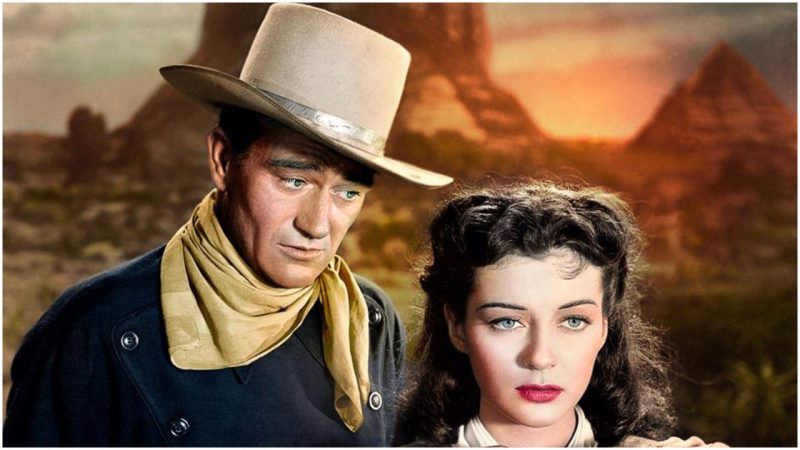
Exploring virtual vintage movies is not merely a nostalgic pursuit; it is an education. It allows us to trace the evolution of storytelling, cinematic technology, and cultural history through the lens of early, mid-century, and foreign cinema. Understanding where film has been is essential to appreciating where it is going, and the virtual landscape has made this exploration more accessible than ever before.
I. The Digital Archive: Where to Find the Classics
The sheer volume of vintage cinema now available online can be overwhelming. Knowing the best platforms that prioritize curation, restoration, and quality is the first step in successful virtual viewing.
1. The Criterion Channel and MUBI (The Curated Experience)
These platforms cater specifically to cinephiles. They are essential hubs for vintage and classic cinema because they offer expertly curated collections, often organized by director, genre, or national cinema (e.g., French New Wave, Italian Neorealism).
- Benefit: Films are frequently accompanied by special features, director interviews, and essays, providing the rich historical context often missing on mainstream streaming services. They prioritize the highest quality digital restorations.
2. The Public Domain and Internet Archive
A vast amount of early cinema, particularly silent films and early shorts, has entered the public domain. The Internet Archive is a foundational resource here.
- Benefit: It offers thousands of films for free, ranging from obscure educational films and newsreels to foundational works of early Hollywood. While quality can be variable, it is an unparalleled resource for academic research and uncovering forgotten pieces of history.
3. Specialty YouTube Channels and Library Services
Many large libraries and film organizations now host vintage films on their dedicated YouTube channels, often categorized by theme (e.g., Cold War propaganda, early animation). Furthermore, many public library cards grant access to services like Kanopy, which offers an excellent, academically-focused selection of classic films.
II. Maximizing the Vintage Viewing Experience
Watching a film made in 1940 is inherently different from watching a film made today. To fully appreciate vintage cinema, a modern viewer must adjust their expectations and engage with the material contextually.
1. Understanding the Context
Before hitting play, spend a few minutes researching the film’s production date and cultural environment. Knowing that a 1930s screwball comedy was a form of escapism during the Great Depression, or that a 1950s sci-fi film was shaped by Cold War anxieties, profoundly alters your viewing perspective.
2. Prioritize Technical Quality
If possible, always opt for digitally restored versions. Restoration efforts often clean up visual artifacts, stabilize image wobble, and improve sound quality, allowing the original cinematography and art direction to shine through without distraction. A poor-quality print can unfairly diminish the perceived quality of a classic.
3. Embrace the Pacing
Films from the pre-1960s often employ much slower pacing, longer takes, and less rapid-fire editing than contemporary cinema. Modern viewers, accustomed to faster rhythms, can sometimes mistake this for boredom. Resist the urge to multitask; allow the film’s deliberate tempo to immerse you in its world and appreciate the acting, dialogue, and mise-en-scène.
III. The Educational and Creative Value
The study of vintage cinema is crucial for anyone interested in the art form, providing a deep well of technical and narrative wisdom.
1. Tracing Cinematic Lineage
Vintage movies reveal the origins of storytelling tropes, camera movements, and editing styles that are still used today. For example, the visual language of film noir in the 1940s established the high-contrast lighting and narrative cynicism that continues to influence modern crime dramas.
2. Appreciation for Practical Effects
Before widespread CGI, filmmakers relied on stunning practical effects, matte paintings, and in-camera trickery. Watching vintage sci-fi or epic historical films provides an awe-inspiring appreciation for the ingenuity and craftsmanship of these pre-digital effects artists.
3. The Evolution of Sound and Dialogue
Early sound films (starting in the late 1920s) often featured theatrical, over-enunciated dialogue due to microphone limitations. Tracing the shift from this stage-bound acting to the more naturalistic performances of the 1950s and 60s is a fascinating lesson in how technology shaped the actor’s craft.
Conclusion: History in Motion
The virtual world has democratized film history, turning the vast library of vintage movies into an accessible, vibrant classroom. Exploring these classics is an essential practice for anyone seeking a deeper appreciation of cinema, culture, and artistic evolution. By seeking out high-quality restorations, approaching the viewing experience with historical context, and embracing the patient pace of older filmmaking, you can maximize the magic and artistry preserved in these timeless treasures. Dive in—the history of film is waiting to be streamed.
Would you like recommendations for three foundational silent films that are excellent starting points for a beginner exploring virtual vintage cinema?
